Creatines
Creatine is one of the most popular sports nutrition supplements among strength athletes, fitness enthusiasts, and active individuals. It is a key part of modern sports nutrition focused on performance, strength, and recovery. It is especially sought after during intense training, strength sports, or explosive activities. Creatine is naturally found in muscle cells and plays a role in energy production during short-term and high-intensity performance.



What is creatine?
Creatine is an organic compound made from amino acids that is naturally produced in the liver, kidneys, and pancreas. It is found mainly in muscle cells, where it plays a role in energy production during short-term and high-intensity efforts.
Creatine is especially popular for:
- strength training,
- bodybuilding,
- crossfit,
- sprinting,
- weightlifting,
- powerlifting.
The most well-known form is creatine monohydrate, one of the most widely used forms of creatine.
In sports nutrition, creatine is commonly included among basic supplements for active individuals.
When and how to take creatine?
Creatine is a popular part of supplementation, especially in high-intensity sports. It improves physical performance during repeated short bursts of high-intensity exercise. A beneficial effect is achieved with a daily intake of 3 g of creatine.
Creatine is most commonly taken:
- before training,
- after training,
- during strength training,
- during intense physical activity.
Many athletes also combine creatine with protein. You can find suitable products in the categories:
In sports nutrition, creatine is used as part of long-term supplementation focused on performance support.
Summary:
Creatine is a fundamental sports nutrition supplement that has long been used in strength and performance sports. Due to its simplicity and wide applicability, it remains one of the most popular supplements.
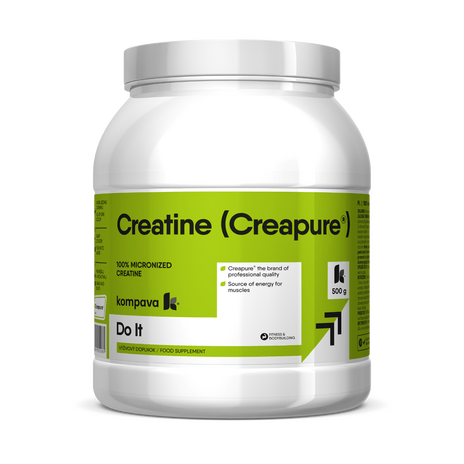
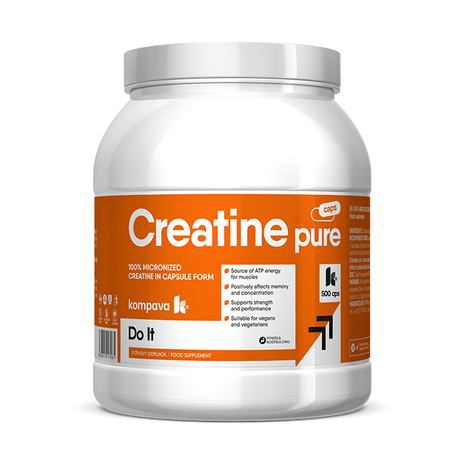
Creatine is often combined with other supplements such as protein or amino acids. It is mainly used in regular strength training and is also suitable for beginners. It is available in powder or capsule form.
With long-term use, it is a regular part of sports nutrition focused on strength, performance, and physical activity.
Frequently asked questions
After stopping creatine, creatine phosphate levels in the muscles gradually decrease, performance may slightly drop, and muscles may lose some water, but no harmful effects usually occur.
Creatine is recommended to be taken regularly every day, ideally after training or during periods of increased physical activity, to ensure optimal levels of creatine phosphate in the muscles.
Creatine is a naturally occurring substance in the body that increases energy for muscles, supports performance during short and intense activities, and helps with muscle growth and recovery.