Vitamins
Vitamins are essential micronutrients that the body needs for proper functioning. Although the body only requires them in small amounts, they play an important role in many natural processes – from energy metabolism and the functioning of the immune system to maintaining the proper function of muscles, bones, and the nervous system.

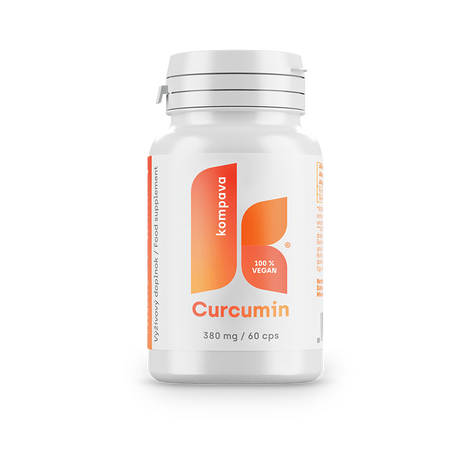

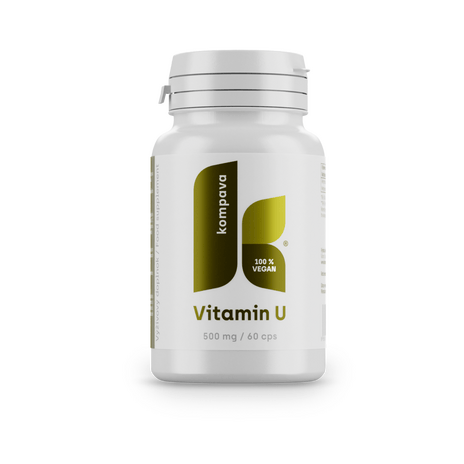
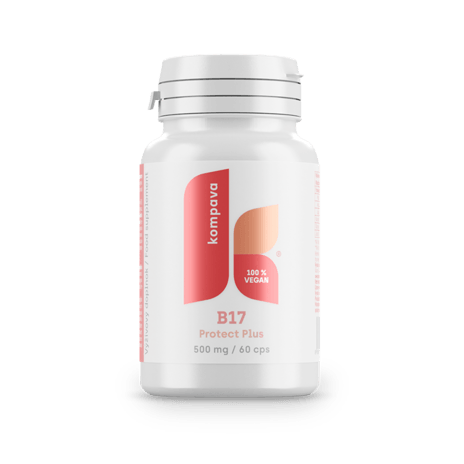

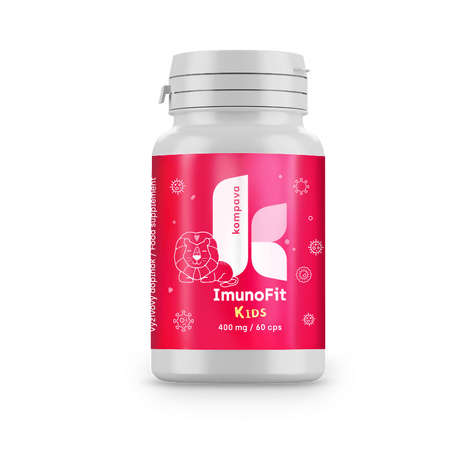





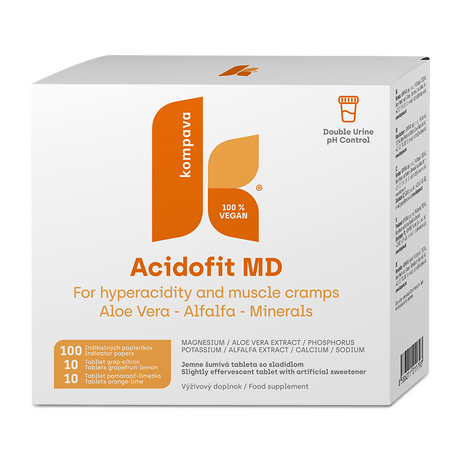



What are vitamins and why does the body need them?
Vitamins are organic substances that the body needs for the proper functioning of various biological processes. In most cases, the body cannot produce them in sufficient amounts, so we obtain them mainly through diet or food supplements.
A balanced and varied diet is the best source of vitamins. In certain periods of life, during increased physical activity or with a one-sided diet, it may also be appropriate to include high-quality vitamin supplements. These are a common part of modern sports nutrition, because active people often have higher requirements for the intake of certain nutrients.
They are divided into two main groups:
Water-soluble vitamins – these include mainly B vitamins and vitamin C. The body cannot store them in large amounts for a long time, therefore their regular intake is important.
Fat-soluble vitamins – these include vitamins A, D, E and K. When taking them, it is important to follow the recommended dosage, because they are stored in the body to a greater extent.
Each vitamin has its specific function in the body. For example, vitamin C contributes to normal collagen formation, vitamin D helps maintain normal calcium levels in the blood, and B vitamins contribute to energy metabolism.
Which vitamins do I need and how to choose the right ones?
The choice of vitamins depends on your lifestyle, diet, age, physical activity and individual needs.
Athletes and active people often include vitamins as part of their sports nutrition, because regular training increases the need for quality recovery and sufficient nutrient intake.
Popular categories include:
Vitamin C – belongs among the best-known vitamins and is especially popular during periods when people focus on ensuring sufficient vitamin intake.
Vitamin D3 – is often sought after especially during periods with lower sunlight exposure.
B vitamins – are popular among active people who focus on a varied diet and proper intake of micronutrients.
When choosing, it is important to monitor the content of individual vitamins, the form of the ingredients used, dosage and the quality of the manufacturer. It is not always true that the highest dose means the best choice.
When does it make sense to supplement vitamins?
The best way to obtain vitamins remains a varied diet based on different types of foods. However, food supplements can be a practical solution in situations when it is not easy to ensure the optimal intake of all necessary substances through diet alone.
Vitamins may be suitable especially:
- during increased physical activity,
- during demanding training periods,
- with a limited or one-sided diet,
- during periods of increased demands on the body,
- when trying to supplement specific vitamins according to individual needs.
Within sports nutrition, vitamins are often combined with other supplements such as proteins, creatine, amino acids or joint nutrition products. However, each supplement has its own purpose and should be selected according to the goal.
How to take vitamins?
When taking vitamins, the most important thing is to follow the recommended dosage stated by the manufacturer. A higher amount does not automatically mean a better result.
The method of use also depends on the type of vitamin. Water-soluble vitamins are usually taken according to the manufacturer's recommendations without the need for special timing. Fat-soluble vitamins are recommended to be taken together with a meal containing fats so that the body can use them effectively.
Regularity is more important with food supplements than one-time use. Vitamins should be a supplement to a healthy lifestyle, not a replacement for a varied diet.
Can I combine vitamins?
Yes, vitamins can be combined, but it is important to monitor the total intake of individual substances from multiple products.
When combining several supplements, pay particular attention to avoid taking the same vitamins from multiple sources in unnecessarily high amounts. A typical example is combining a multivitamin with another separate vitamin supplement.
Vitamins are also commonly combined with other sports nutrition products. Protein, creatine, minerals or products supporting regeneration have different compositions and purposes of use.
With the right selection and following the recommended dosage, vitamin supplements can be a practical part of everyday nutritional care for active people.
Quality vitamins represent a simple way to supplement the diet with important micronutrients and support a comprehensive approach to a healthy lifestyle.
Frequently asked questions
Vitamins should be taken according to the manufacturer’s instructions or a professional’s recommendation. Some vitamins are better absorbed with food, while others are taken separately.
Vitamin deficiencies can be detected through diagnostics or blood tests that show specific missing nutrients.
Vitamins are organic substances essential for the proper functioning of the body. They support immunity, energy, bone health, skin health, and the nervous system.